October 15, 2026

Fannie Moffitt, Autumn Rain
STAR SONGER Contributor
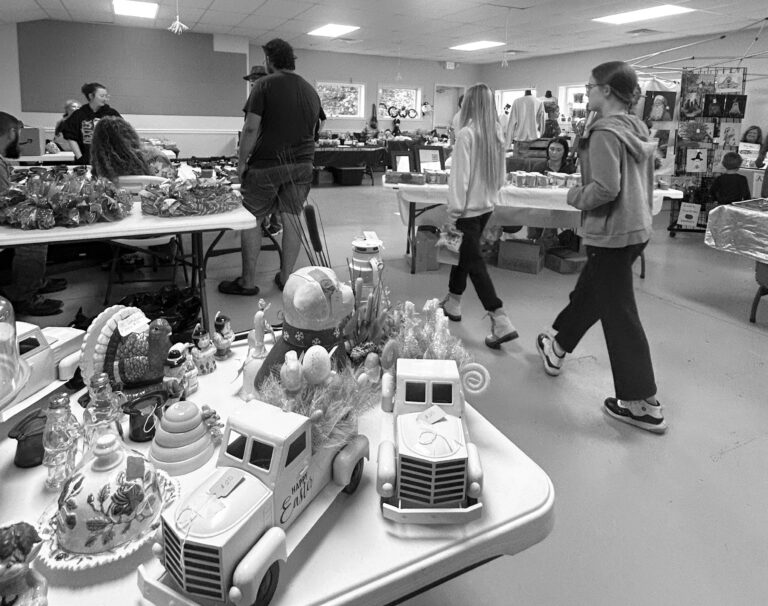
Rainy weather brought changes to the annual Fannie Moffitt Autumn Stomp on Saturday, Oct. 10, but the community’s fall traditions remained as vendors moved inside to welcome visitors to various locations throughout Altamont. Because of rainy conditions, vendors were relocated to the Altamont Community Center, Florence Scruggs Municipal Building and Altamont Baptist Church. The change provided indoor spaces for vendors to display their merchandise and gave visitors opportunities to shop while taking shelter from the weather. Held annually on the second Saturday in Oct., the Autumn Stomp celebrates Altamont’s history, mountain heritage, and community spirit. The event is named for Fannie Moffitt, a well-known historical figure whose life and connection to one of the town’s most recognizable historic homes helped inspire the festival. Although the rain changed the setting for vendors, the event remained an opportunity for residents and visitors to come together, support local businesses and learn more about the history behind the festival’s name.
The Fannie Moffitt Autumn Stomp takes its name from a woman remembered for her wealth, distinctive lifestyle, and love of hats. According to the festival’s official website, Moffitt was one of Altamont’s most colorful residents, and her personality helped inspire the annual celebration. The festival’s focus on Fannie gives the event a connection to the town’s past that extends beyond a typical fall gathering Through its tradition and activities, the Autumn Stomp recognizes a historical figure whose story remains part of Altamont’s identity.
One of the festival’s signature traditions is Fannie’s Hat Parade, which invites participants of all ages to wear creative, unusual or elegant hats. The parade reflects Moffitt’s well-known fondness for hats and gives festivalgoers an opportunity to participate in a tradition inspired by her life. The Autumn Stomp has also featured arts and crafts vendors, food, music, a car show, a quilt show and activities for children. These attractions give visitors different ways to participate while providing vendors and local organizations opportunities to connect with the public. The event’s combination of local history, shopping and family activities helps distinguish it as a community celebration. Its annual return also provides an opportunity for residents to revisit familiar traditions and for newcomers to learn more about the people and places that shaped the area. One of the most significant pieces of history connected to the festival is The Manor, a historic brick home located at 1547 Main Street in Altamont. Built in 1885, the home was originally known as the H.B. Northcutt House. According to The Manor’s official website, the residence was once considered one of the largest and grandest brick homes in Grundy County. Its size and appearance made it stand out in a community where the Northcutt family held considerable influence in local business and politics. Today, The Manor retains its connection to Altamont’s history while serving a new purpose. The two-story brick home has nearly 5,000 square feet of living space, six bedrooms, multiple sitting rooms and furnishings intended to complement its historic character.
The history of The Manor adds another dimension to the Autumn Stomp. While the festival provides a place for vendors, shoppers, and families to gather, its namesake connects the celebration to a specific person and a historic property in the center of Altamont. Fannie Moffitt’s story is part of the area’s larger history, reflecting a period when family businesses, landownership, and local commerce played important roles in the development of Grundy County. The house that she inherited and occupied provides a physical link to that period. Its survival through changing ownership and its preservation through renovation allow future generations to see a piece of the community’s history. The festival and The Manor represent different ways that Altamont maintains connection to its past. The Autumn Stomp brings history into a community celebration through traditions such as the hat parade, while The Manor preserves a historic residence associated with the woman who inspired the event. Together, they offer reminders that local history is not limited to books and archives. It can also be found in familiar buildings, annual gatherings and the stories passed down about people who once lived in the community. This year’s rainy weather changed where vendors set up, but it did not change the historical connection at the heart of the festival. Vendors welcomed visitors at indoor locations, while the Autumn Stomp continued its role as an annual celebration of Altamont’s heritage. As the festival returns each Oct., Fannie Moffitt’s story remains a distinctive part of the community’s identity. Her legacy connects the community.