November 22, 2026

Deer rut season brings increased danger
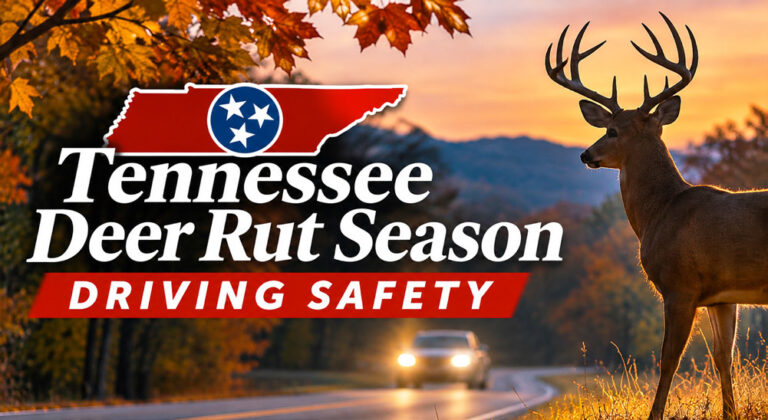
Love is in the air for Tennessee’s deer population, but the annual fall mating season could spell trouble for motorists traveling the state’s highways and rural roads.
As deer enter their annual breeding season, commonly known as the rut, increased movement among the animals is creating dangerous conditions for drivers, particularly during the early morning and evening hours. According to AAA — The Auto Club Group, more than 8,000 deer-related crashes were reported across Tennessee in 2024, resulting in five fatalities and more than 460 injuries. The months of October through December are considered the most dangerous for deer collisions as bucks become increasingly active in their pursuit of does, often crossing roadways with little warning.
“Tennessee drivers are entering the most dangerous time of year for deer collisions,” said Megan Cooper, spokeswoman for AAA — The Auto Club Group. “Drivers often have only seconds to react when a deer enters the roadway. Slowing down, scanning the roadside and staying focused behind the wheel can help reduce the risk of a serious crash.”
The danger is particularly pronounced along rural two-lane highways, wooded corridors and roads bordered by fields, where deer can suddenly emerge from the roadside. During the rut, bucks frequently travel beyond their normal territories searching for receptive does. The increased movement, combined with deer activity around dawn and dusk, raises the likelihood of encounters with vehicles.
AAA cautions drivers that spotting one deer often means others are nearby. Motorists should reduce their speed and remain alert even after an animal has safely crossed the road. Perhaps the most important advice from AAA is to resist the instinct to swerve when a deer suddenly appears.
“One of the biggest mistakes drivers make is swerving to avoid a deer,” Cooper said. “While the instinct is understandable, leaving the roadway can result in more severe crashes involving trees, guardrails, utility poles or other vehicles.”
Instead, drivers should brake firmly, maintain control of their vehicles and remain in their lanes if a collision appears unavoidable. AAA also recommends using high-beam headlights when conditions permit, reducing speed in areas marked with deer-crossing signs and remaining particularly vigilant during low-light conditions.
Beyond the potential for injuries, deer collisions can also carry a hefty financial price. According to AAA, damage from striking a deer is generally covered under comprehensive automobile insurance rather than collision coverage. Comprehensive insurance is optional, meaning motorists without the coverage could be responsible for the entire repair bill.
“A deer strike can result in thousands of dollars in vehicle repairs,” Cooper said. “Understanding your coverage before a crash occurs can help eliminate surprises during the claims process.”
Motorists involved in deer collisions should move their vehicles to a safe location when possible, activate hazard lights and avoid approaching injured animals, which can react unpredictably. Drivers should also document damage, contact law enforcement when necessary and notify their insurance providers.